Brands and clients I've worked with


Conversion tracking that survives an audit, server-side integrations between ad platforms and CRMs, and the internal products that run on top of them. Designed, shipped and proven with numbers.
Brands and clients I've worked with
The strategy is rarely the problem. The problem is that the tracking says one thing, the CRM says another, and nobody owns the wiring in between, so every budget conversation turns into an argument about whose report is right. I own that layer: I audit it, redesign it, build it, and hand back numbers your team can defend without me in the room.
Global footprint
Every market below is one where I've owned the measurement layer, the paid media programme, or both, from a used-car marketplace spanning Latin America and the Gulf, to B2B SaaS clients in the US and UK.
Twenty-nine programmes across three continents. Brands, marketplaces and clinics, from global tracking infrastructure to full-funnel acquisition.
Kavak · 2021 to 2023
I owned the global data collection infrastructure for a used-car unicorn operating from Mexico to Oman. One dataLayer schema shared across web and mobile, three containers with distinct responsibilities, and a single definition of every event.
Product, Strategy and every country manager argued about the strategy instead of the numbers.
Open the case →Documented with the real architecture, the trade-offs, the code and the numbers that were measured. I design the system and set the acceptance criteria; agents execute the mechanical half. That is how one person ships what a team would quote for a quarter.
Microsoft UET events that appeared to fire in GTM but never executed. Diagnosed at network level, validated against the platform, and migrated HubSpot conversion signalling to true post-submission semantics.
Google, LinkedIn and X pulled live through an MCP server, micro-conversions stripped out so the conversion count meant something, rendered to a print-QA'd client report.
Five production dashboard surfaces moved page by page behind a flag with a loud fallback and two-witness parity, so nobody ever saw a wrong number while the backend changed underneath.
A scheduled task spawns subagents that page an MCP server for deep attribution, deduplicate per country and hand off to a signed send worker. Runs with no human in the loop.
How I work
I take the container apart tag by tag: what fires, what only looks like it fires, and what has been silently dead since a consent-banner update. Verified at network level, not in the tag debugger. Nothing gets rebuilt until we agree on what is actually broken.
One definition per conversion, one owner, one source of truth. I design the event taxonomy, the server-side routing and the CRM field mapping before a tag is touched, so the fix survives the next platform change instead of needing another rescue in six months.
Server-side gateways, CAPI and Google Ads API integrations, bidirectional CRM sync, and the internal tools that make the whole thing legible. I set the architecture and the acceptance criteria; agents execute the mechanical half: extraction, boilerplate, deploys, backfills.
Every claim gets a number and a source. 36 projects documented with the real architecture, the trade-offs, the code and what was measured, including the cases where the honest answer was that nothing moved.

I started in technical documentation, moved into growth, and ended up owning the data collection infrastructure for a marketplace operating across nine countries. Since then I've rebuilt measurement for brands like Kavak, McAfee, Syngenta and Travelex, and led the migration of a loyalty platform from Google Apps Script to Supabase and React.
What I do sits between three job titles: MarTech architect, data engineer and product manager. I design the measurement layer, wire the systems behind it, and own the roadmap for the internal tools that read from it. Nobody has to translate between those three people, because they're the same person.
AI is how I hold that scope. I design the architecture and set the acceptance criteria; agents execute what's mechanical. Not autocomplete: scheduled tasks, subagents paging MCP servers, reusable skills. It's why 17 of my 36 documented projects were built with agent orchestration.
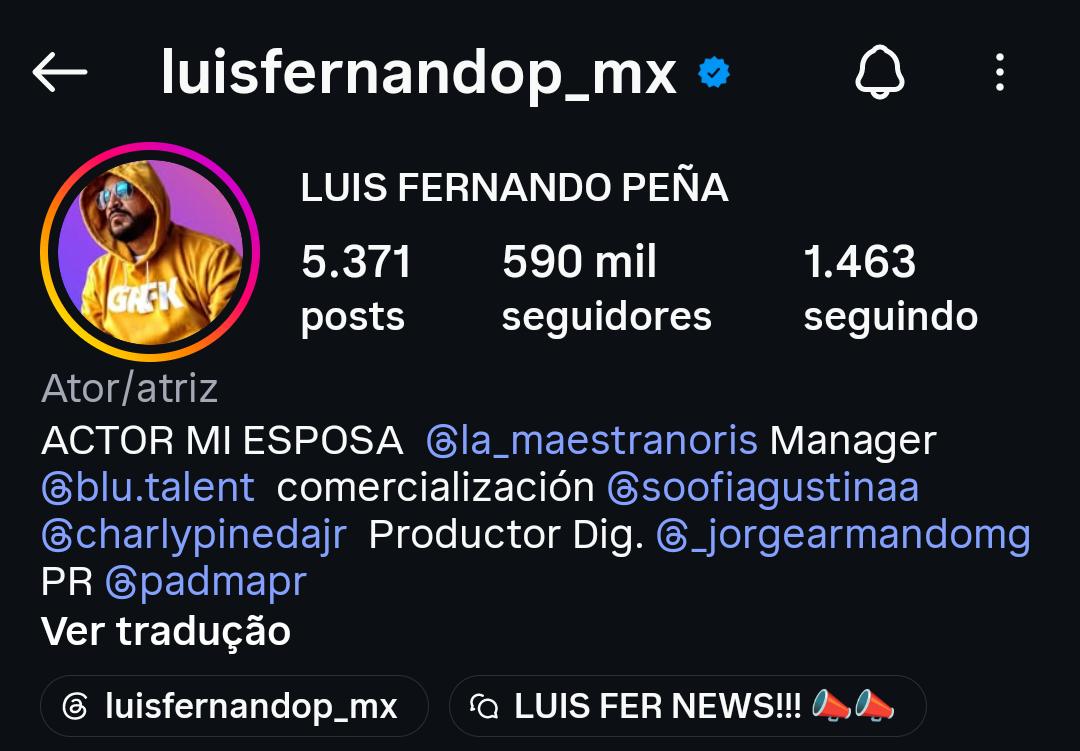
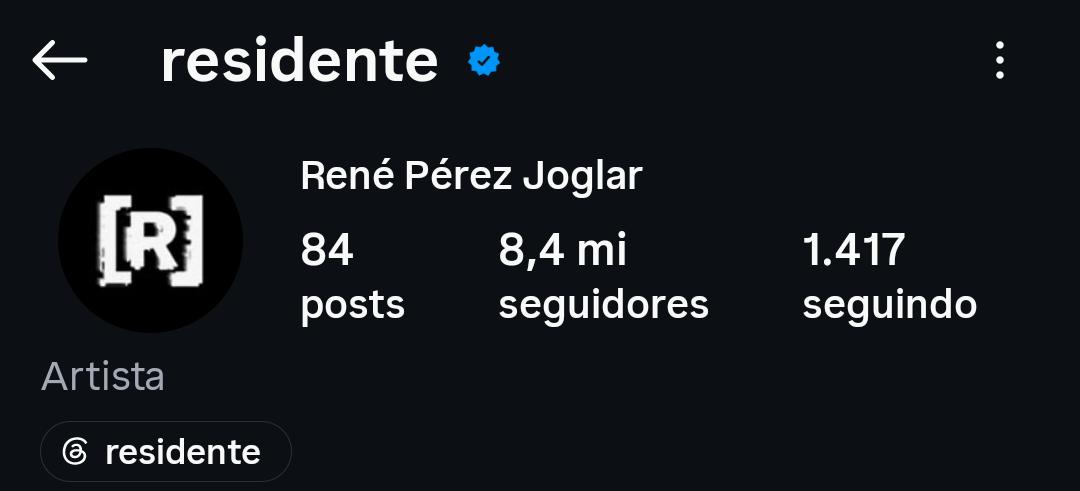
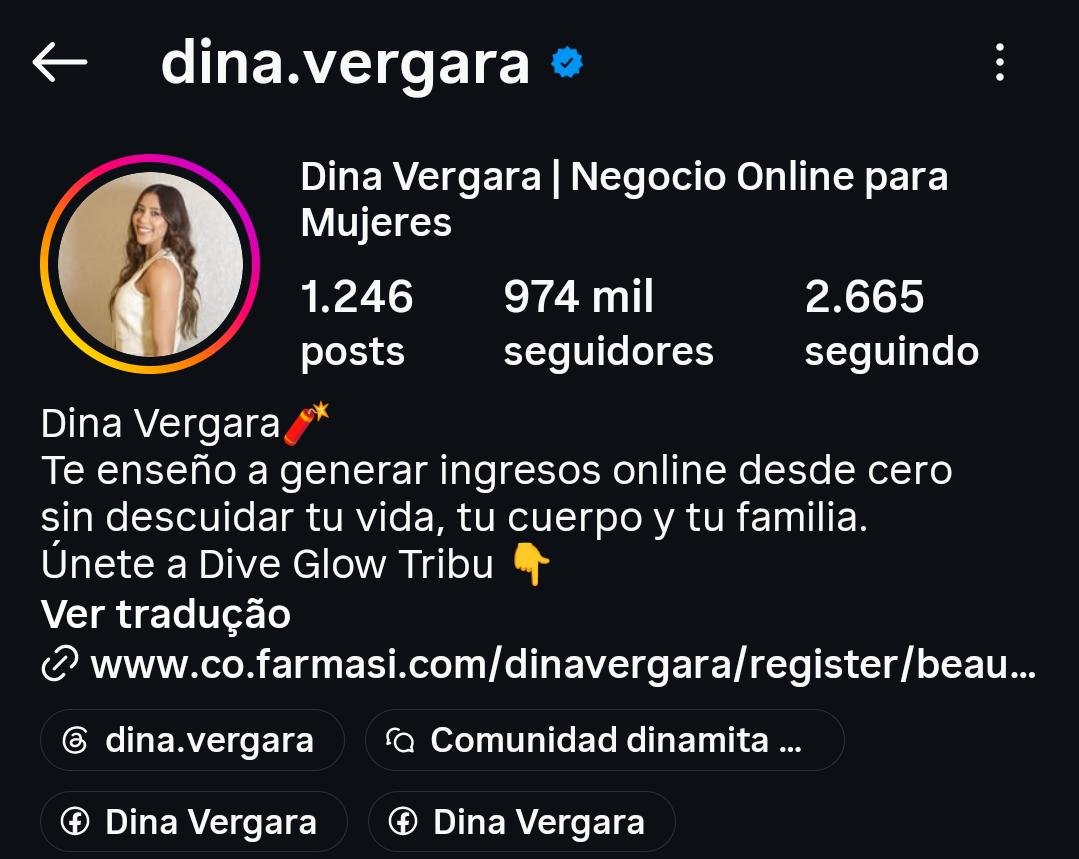
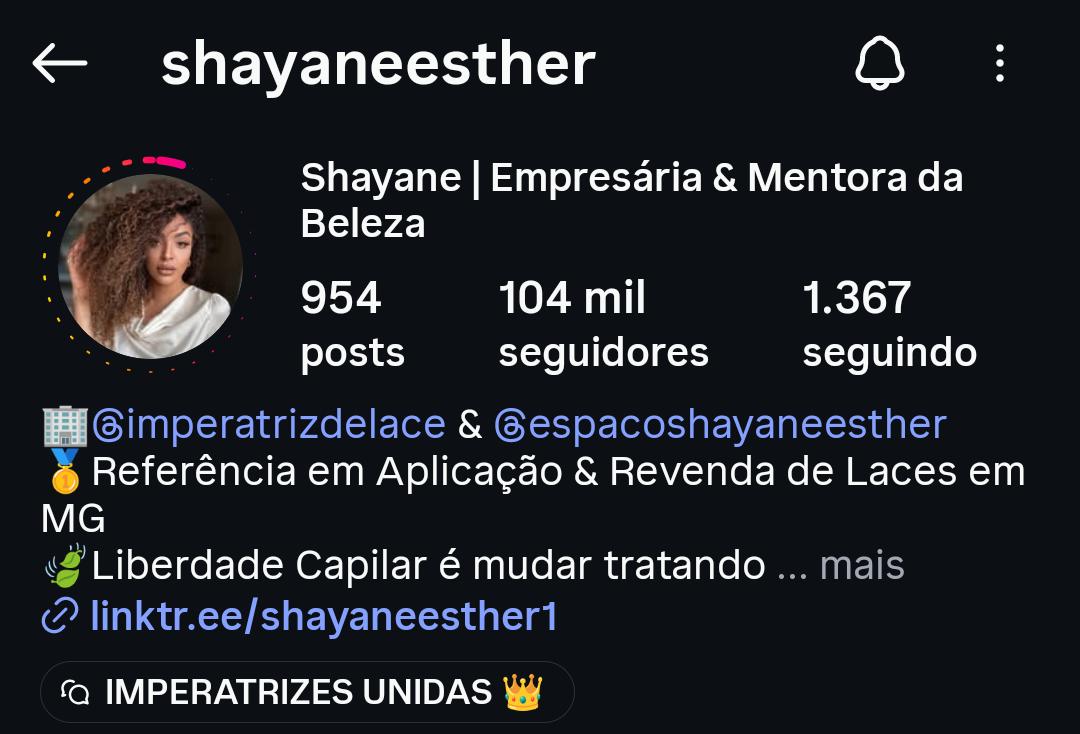
Tracking, attribution and campaign infrastructure for creators with audiences from 11K to 8.4M, from Residente of Calle 13 to UFC hosts and creators across Latin America.








92 tools across seven disciplines. Not seen on a slide deck: implemented, configured and shipped in production for real clients.
I typically respond within 24 hours. For urgent inquiries, booking a call is the fastest path.